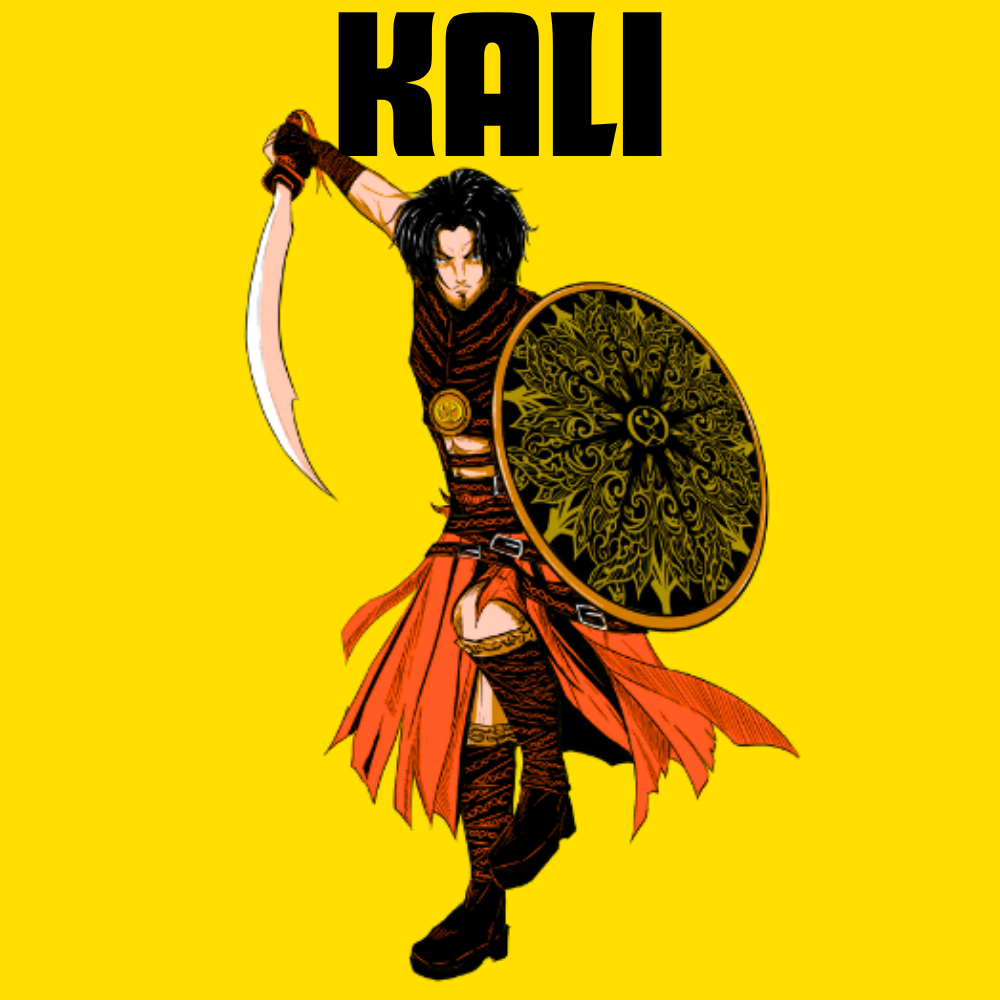
Pre-Colonial Origins
Filipino Martial Arts (FMA) developed over centuries through tribal warfare in the Philippine archipelago. Each region and tribe developed unique fighting systems, creating a rich diversity of techniques and philosophies. These arts were essential for survival in a warrior culture.
Three Names, One Art
Filipino Martial Arts are known by three primary names:
- Kali: Ancient term, possibly pre-dating Spanish colonization
- Eskrima: Derived from Spanish "esgrima" (fencing)
- Arnis: From Spanish "arnes" (harness/armor)
While terminology varies by region, these terms generally refer to the same martial arts system.
Spanish Colonial Period
When Spain colonized the Philippines (1521-1898), they banned the practice of native martial arts. Filipinos preserved their fighting systems by disguising them as folk dances (like the Tinikling) and practicing in secret. This period of resistance strengthened the art's cultural significance.
Weapons-First Philosophy
Unlike most martial arts, FMA teaches weapons before empty hands. The philosophy is "if you can defend against a weapon, defending against empty hands is easier." Primary weapons include:
- Single Stick (Solo Baston): Foundation of FMA training
- Double Sticks (Doble Baston): Develops coordination and ambidexterity
- Stick and Dagger (Espada y Daga): Long and short weapon combination
- Knife (Daga/Baraw): Close-quarters combat
- Empty Hands (Pangamut/Suntukan): Striking and grappling
The 12 Angles of Attack
FMA systematizes attacks and defenses through angles, typically 12 basic angles covering all possible lines of attack. This systematic approach allows practitioners to respond instinctively to any attack, whether armed or unarmed.
Flow and Sensitivity
FMA emphasizes "flow" - the ability to smoothly transition between techniques. Drills like Hubud-Lubud and Sumbrada develop sensitivity to an opponent's energy and intentions, allowing practitioners to respond without thinking.
Major Styles and Systems
Numerous FMA systems exist, each with unique characteristics:
- Balintawak: Close-range, single-stick system from Cebu
- Modern Arnis: Founded by Remy Presas, emphasizes practicality
- Pekiti-Tirsia: Blade-oriented system focusing on offensive tactics
- Doce Pares: Multi-weapon system from Cebu
- Sayoc Kali: Blade-focused system with tactical applications
Empty Hand Applications
FMA empty-hand techniques (Pangamut or Panantukan) are often called "Filipino Boxing." They incorporate:
- Gunting (destructions) - attacking the attacking limb
- Limb destructions and trapping
- Low-line kicks and sweeps
- Elbow and forearm strikes
- Takedowns and throws (Dumog)
Influence on Modern Combat
FMA has significantly influenced modern self-defense and military training. The U.S. military, law enforcement agencies, and special forces worldwide have adopted FMA techniques for close-quarters combat and weapons retention.
Bruce Lee and Dan Inosanto
Dan Inosanto, Bruce Lee's training partner and friend, was instrumental in popularizing FMA in the West. Inosanto integrated FMA into Jeet Kune Do, and his teaching has influenced countless martial artists, including many MMA fighters.
Modern Competition
FMA competition includes various formats:
- Full-contact stick fighting with protective gear
- Forms (Anyo/Sayaw) demonstrating techniques
- Sparring (Laban) with different weapon combinations
- Disarming competitions
Philosophy and Principles
FMA philosophy emphasizes:
- Efficiency: Direct, practical techniques without wasted motion
- Adaptability: Ability to use any object as a weapon
- Simultaneous Defense and Attack: Counter while defending
- Triangle Footwork: Maintaining advantageous angles
- Live Hand: The non-weapon hand actively controls and strikes
Cultural Preservation
Today, FMA is recognized as an important part of Filipino cultural heritage. The Philippine government has designated Arnis as the national sport, and efforts continue to preserve and promote these traditional arts while adapting them for modern application.