Legendary Weapons of Martial Arts
Throughout history, martial artists have developed and mastered an incredible array of weapons. Each weapon tells a story of cultural innovation, tactical necessity, and the pursuit of martial excellence. These tools are not merely instruments of combat—they are extensions of the warrior's body, mind, and spirit.
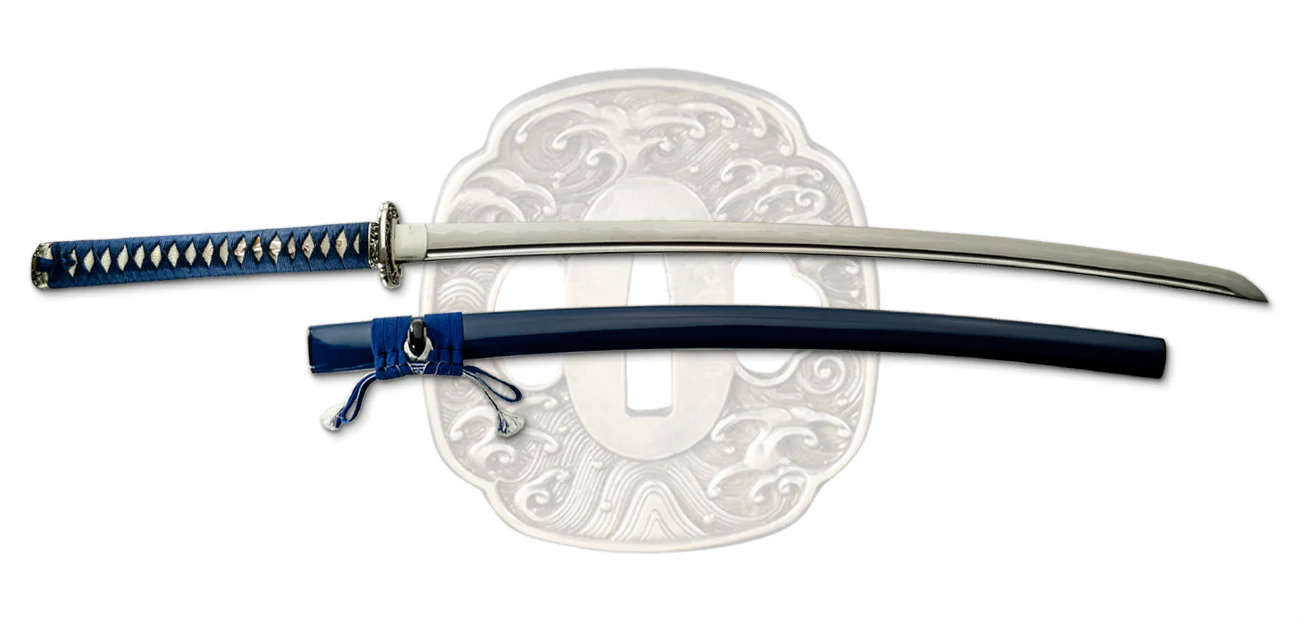
Katana
Origin: Japan | Era: 15th Century
The katana is the iconic curved sword of the Japanese samurai, renowned for its exceptional sharpness, elegant design, and deadly cutting power. Forged through a meticulous process of folding steel, the katana represents the pinnacle of Japanese sword-making craftsmanship.
Key Characteristics:
- Single-edged curved blade
- Typically 60-80 cm in length
- Used in Kenjutsu and Iaido
- Symbol of the samurai warrior class
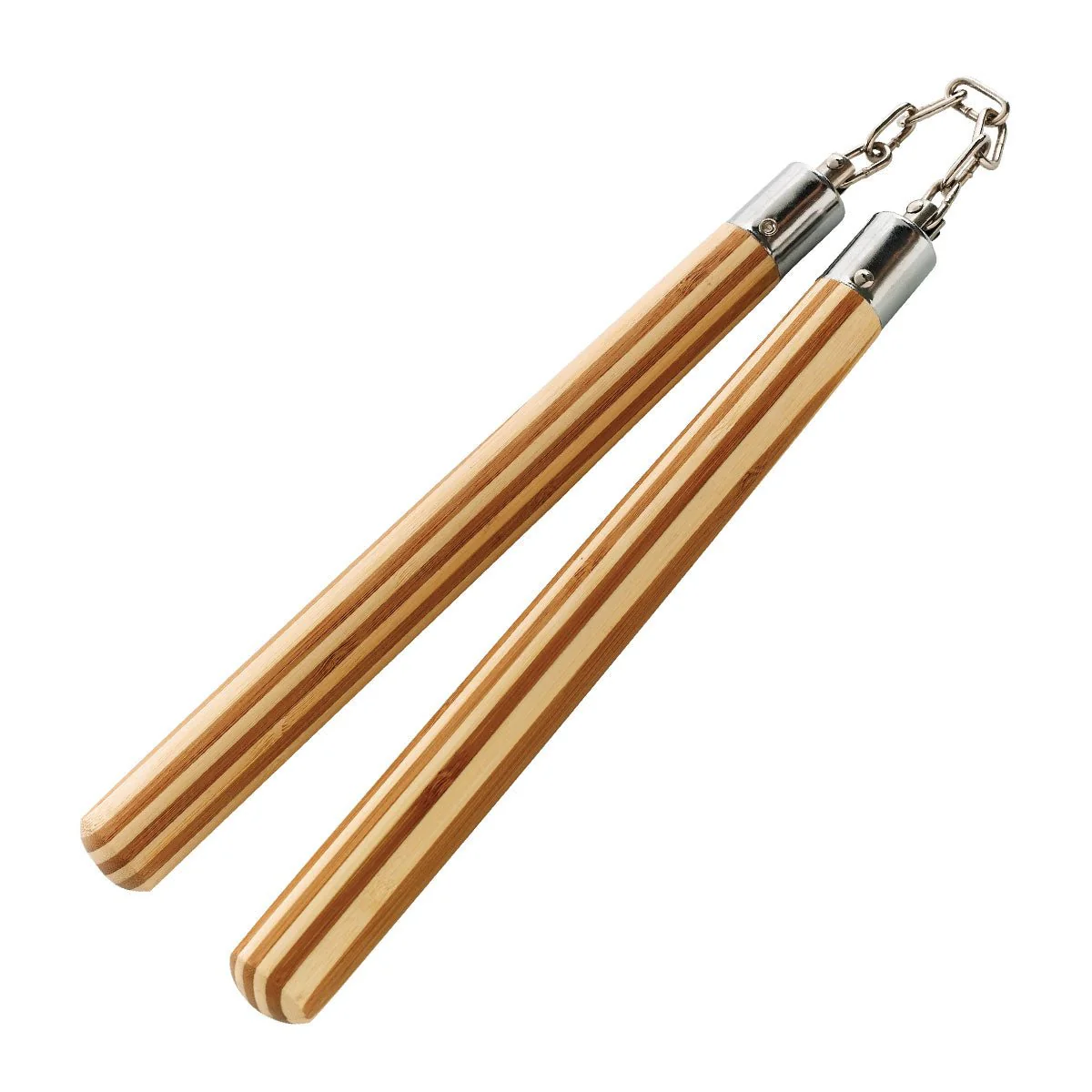
Nunchaku
Origin: Okinawa, Japan | Era: 17th Century
Made famous by Bruce Lee, the nunchaku consists of two sticks connected by a chain or rope. Originally an agricultural tool, it was adapted into a formidable weapon by Okinawan farmers. Its rapid strikes and unpredictable movements make it both offensive and defensive.
Key Characteristics:
- Two wooden or metal sticks connected by chain
- Requires exceptional hand-eye coordination
- Used in Kobudo and various Karate styles
- Effective for strikes, blocks, and trapping
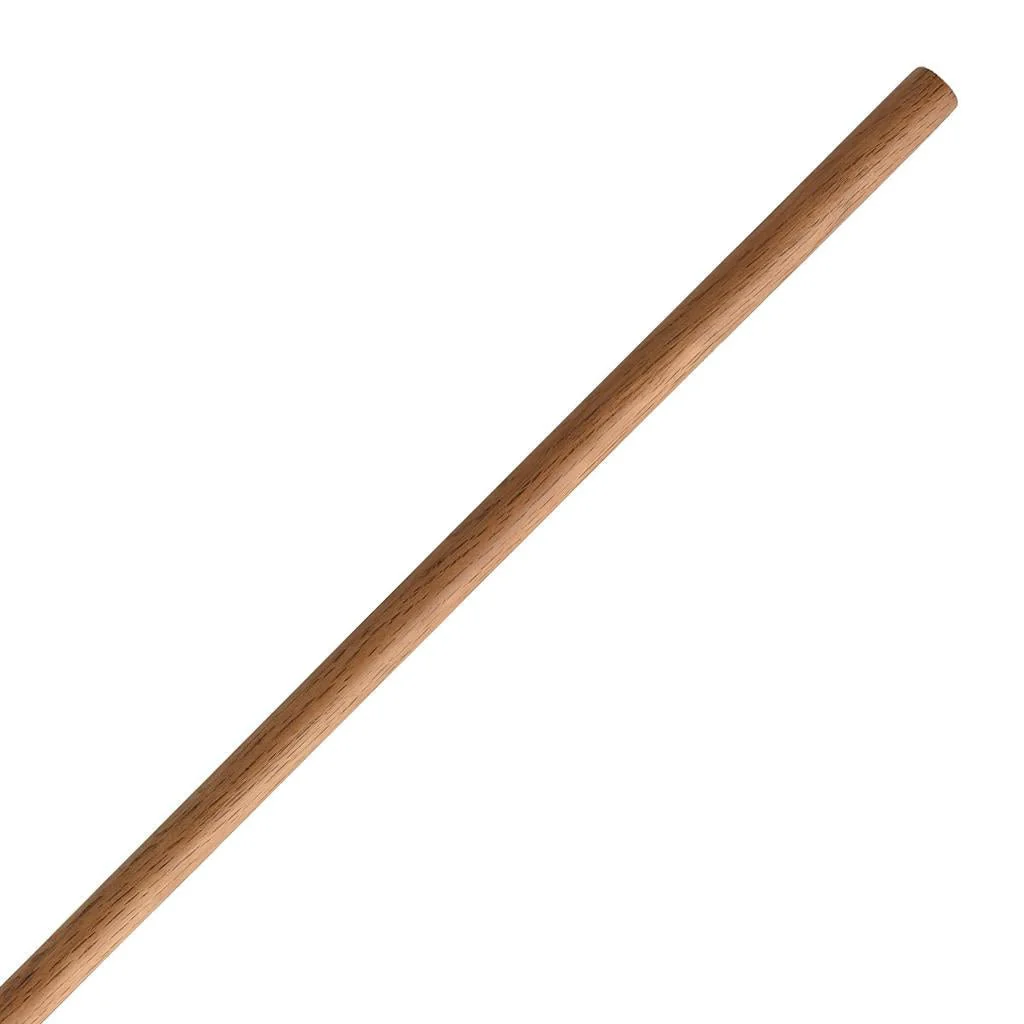
Bo Staff
Origin: Japan/China | Era: Ancient
The bo is a long wooden staff, typically 6 feet in length, used in various martial arts including Kobudo, Kung Fu, and some Karate styles. Its length provides excellent reach, and it can be used for strikes, blocks, sweeps, and joint locks.
Key Characteristics:
- Approximately 6 feet (180 cm) long
- Made from hardwood like oak or bamboo
- Versatile for offense and defense
- Fundamental weapon in Kobudo training
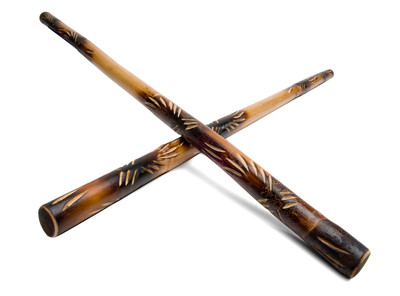
Kali Sticks (Eskrima Sticks)
Origin: Philippines | Era: Pre-colonial
Also known as Arnis or Eskrima sticks, these rattan weapons are the foundation of Filipino martial arts. Practitioners typically train with two sticks simultaneously, developing ambidextrous skill and lightning-fast reflexes. The techniques translate directly to empty-hand combat and blade work.
Key Characteristics:
- Typically 26-28 inches in length
- Made from rattan for durability and flexibility
- Used in single or double stick techniques
- Emphasizes flow, speed, and precision
Sai
Origin: Okinawa, Japan | Era: 17th Century
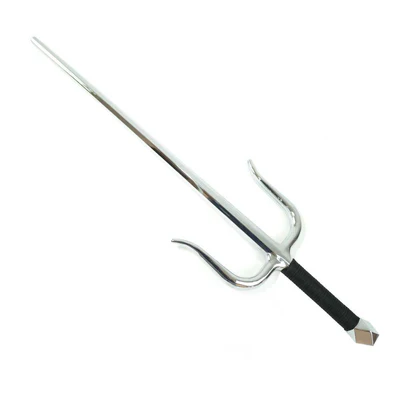
The sai is a three-pronged metal weapon traditionally used in pairs. With a central blade and two curved prongs, it excels at trapping and disarming opponents' weapons. The sai requires precise technique and is a staple of Okinawan Kobudo.
Key Characteristics:
- Three-pronged metal design
- Typically 15-20 inches long
- Excellent for blocking and trapping
- Used in pairs for maximum effectiveness
Tonfa
Origin: Okinawa, Japan | Era: 17th Century
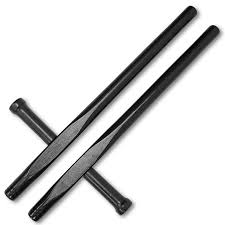
The tonfa is a wooden weapon with a perpendicular handle, originally used as a millstone handle. Modern police batons are based on this design. When wielded in pairs, the tonfa provides exceptional defensive coverage and powerful striking capability.
Key Characteristics:
- L-shaped wooden weapon with side handle
- Approximately 15-20 inches long
- Excellent for blocking and striking
- Basis for modern police batons
Naginata
Origin: Japan | Era: 12th Century
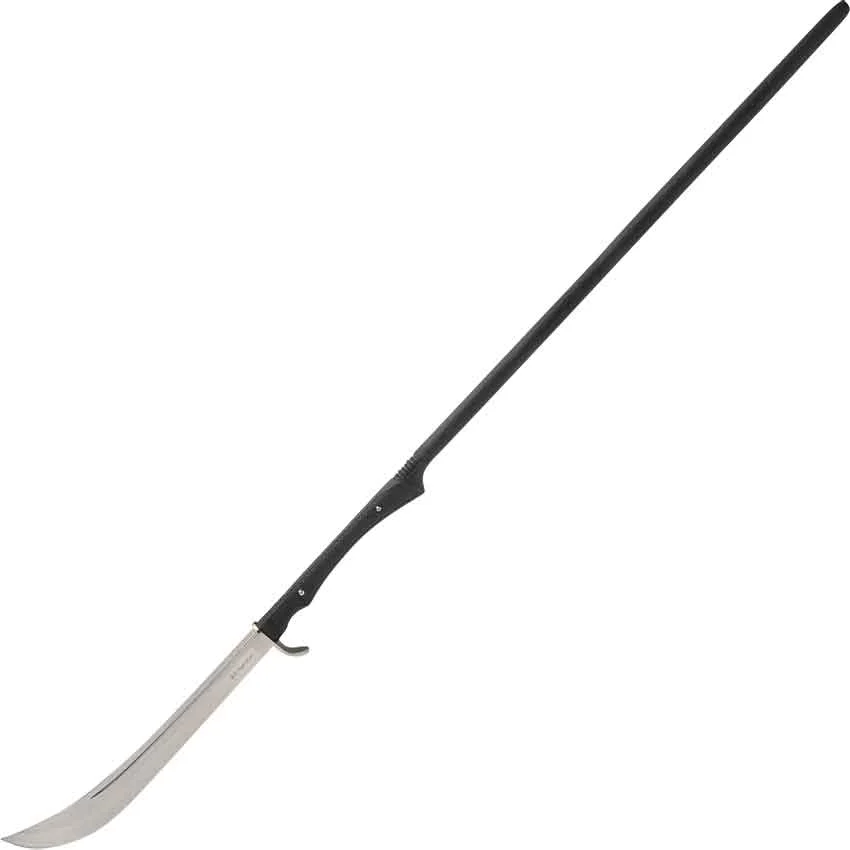
The naginata is a pole weapon with a curved blade at the end, similar to a European glaive. Historically used by samurai and particularly favored by female warriors (onna-bugeisha), the naginata combines the reach of a spear with the cutting power of a sword.
Key Characteristics:
- Long pole (6-7 feet) with curved blade
- Excellent reach and sweeping attacks
- Used in Naginatajutsu
- Historically favored by female warriors
Kama
Origin: Okinawa, Japan | Era: 17th Century
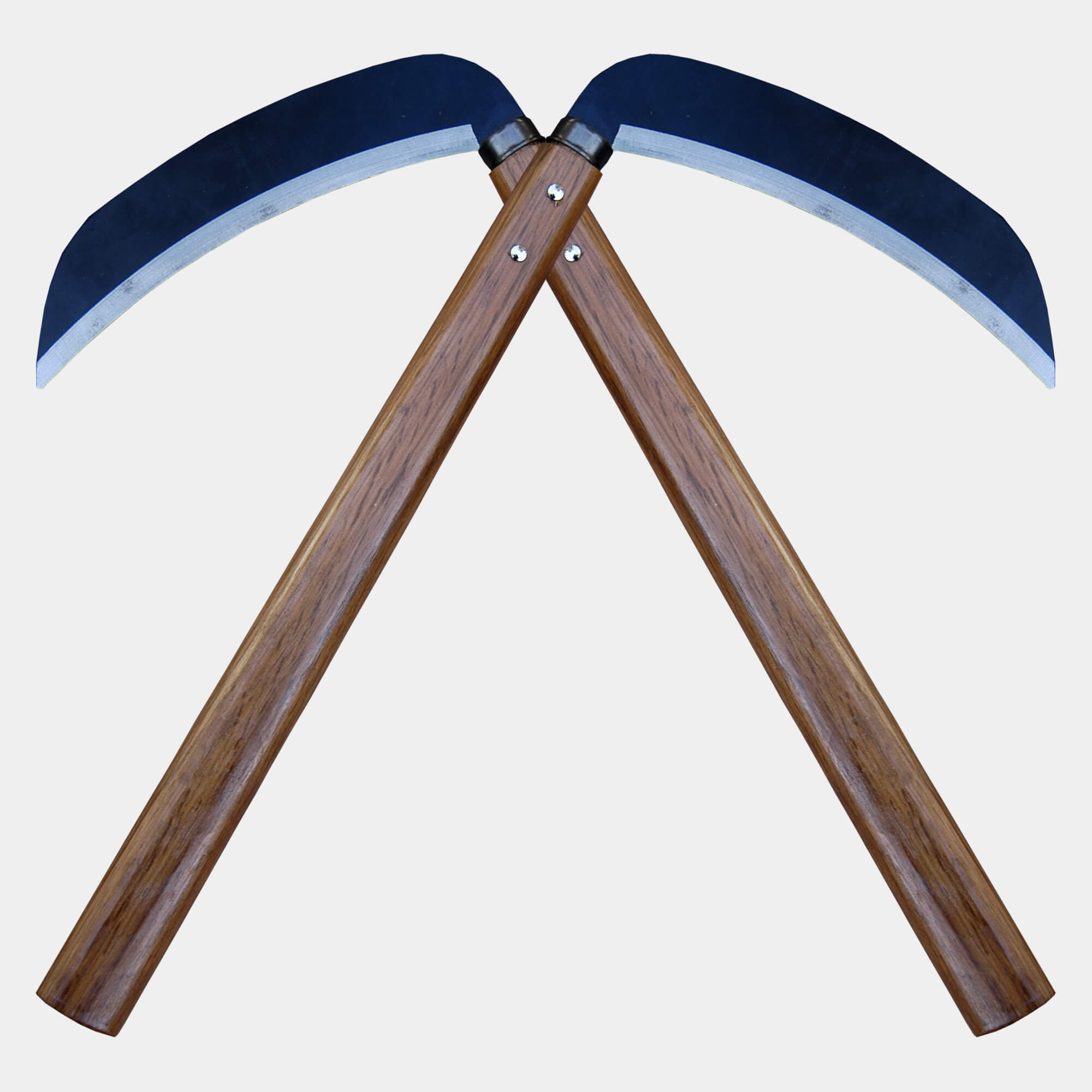
The kama is a traditional Okinawan farming sickle adapted for combat. Used in pairs, these curved-blade weapons are devastating in close quarters. The kama requires exceptional skill to wield safely and effectively, making it one of the more challenging Kobudo weapons.
Key Characteristics:
- Sickle-shaped blade with wooden handle
- Used in pairs for maximum effectiveness
- Excellent for hooking and trapping
- Requires advanced skill and control
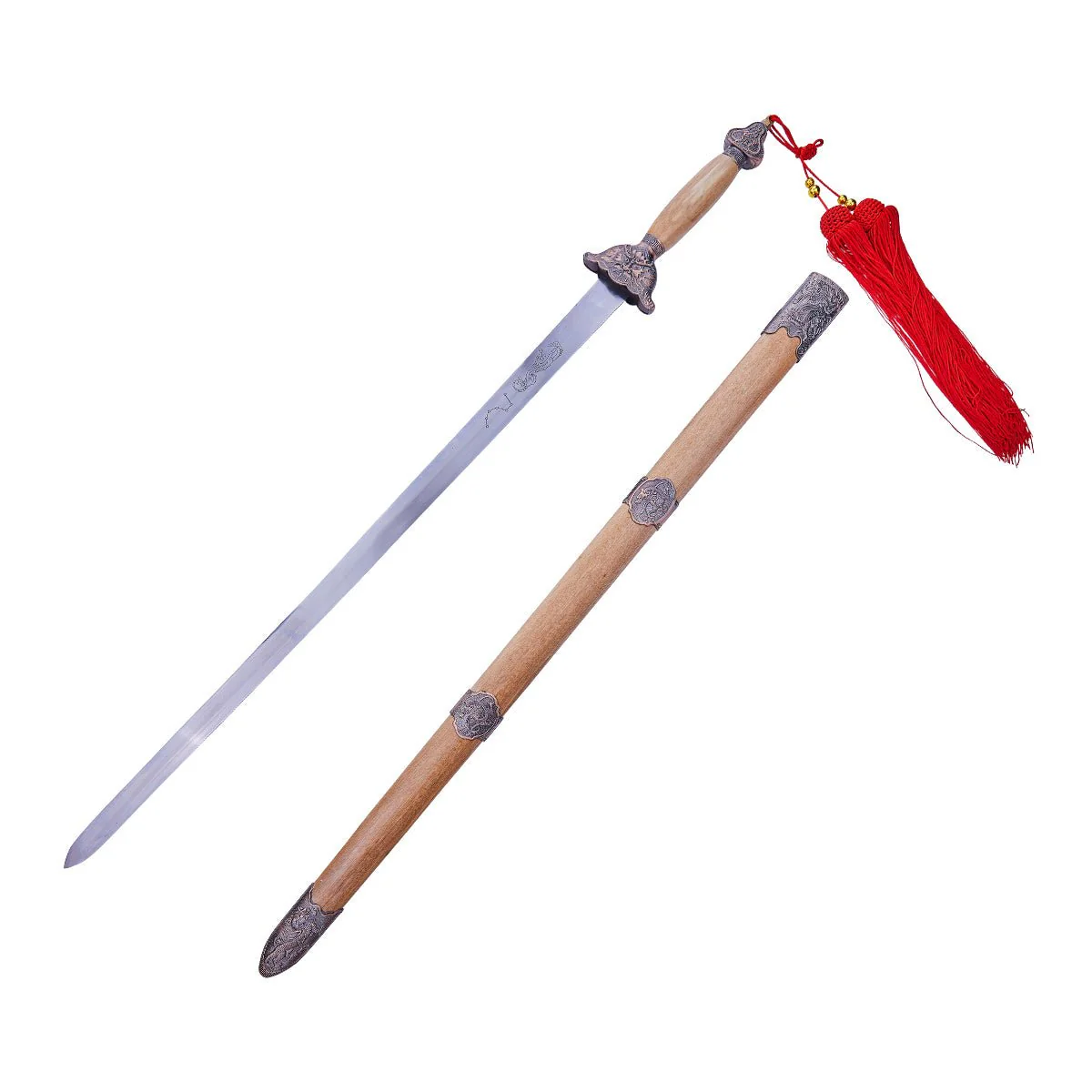
Jian (Chinese Straight Sword)
Origin: China | Era: 7th Century BCE
The jian is a double-edged straight sword, often called the "Gentleman of Weapons" in Chinese martial arts. Known for its elegance and precision, the jian is used in Tai Chi, Wushu, and various Kung Fu styles. It emphasizes fluid, graceful movements combined with deadly accuracy.
Key Characteristics:
- Double-edged straight blade
- Typically 28-32 inches long
- Used in Tai Chi and Wushu
- Emphasizes precision and grace
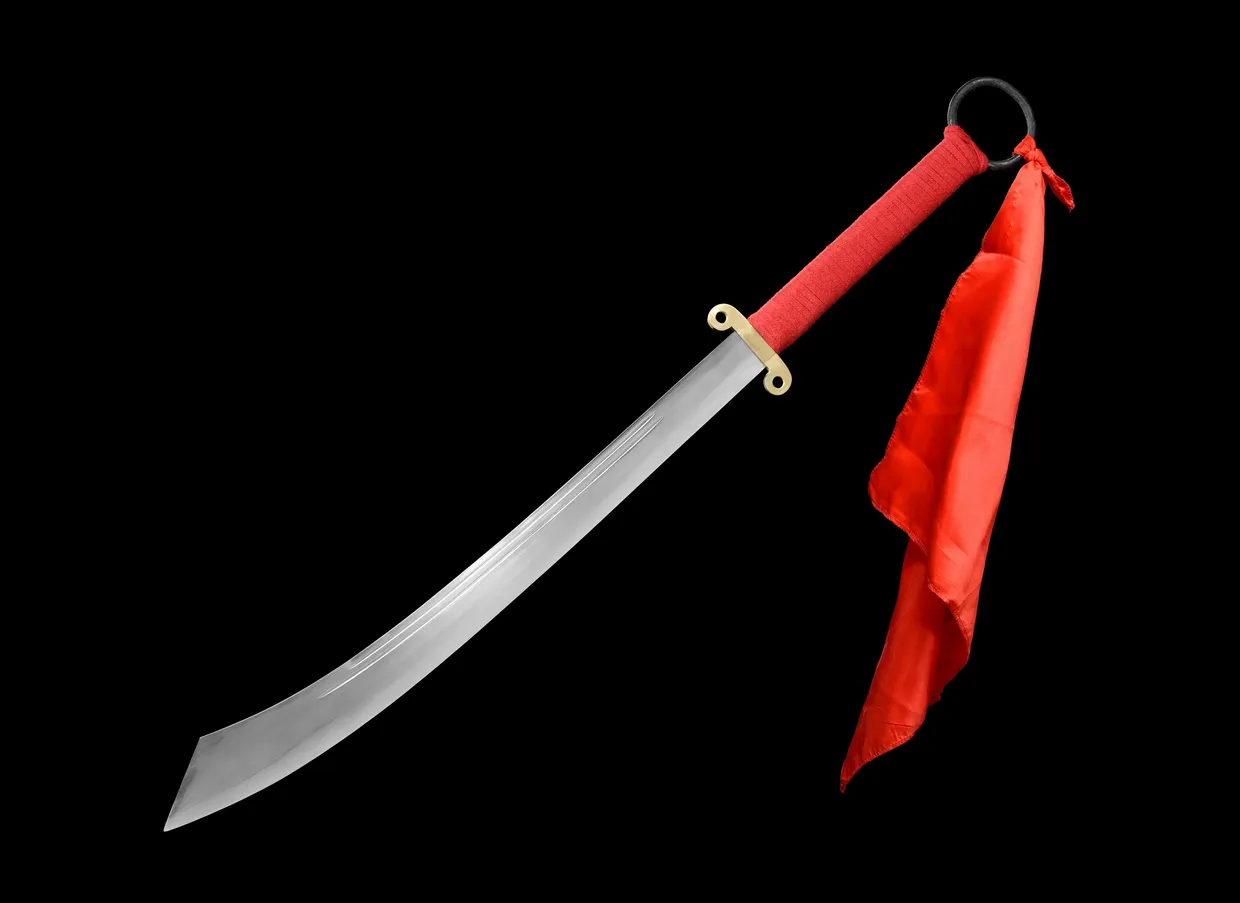
Dao (Chinese Broadsword)
Origin: China | Era: Ancient
The dao is a single-edged Chinese sword with a curved blade, known as the "General of Weapons." More robust than the jian, the dao is designed for powerful chopping and slashing attacks. It's a fundamental weapon in many Kung Fu styles and military training.
Key Characteristics:
- Single-edged curved blade
- Heavier and more robust than jian
- Designed for powerful cutting strikes
- Common in Kung Fu and Wushu
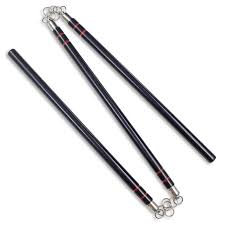
Three-Section Staff
Origin: China | Era: Song Dynasty
The three-section staff consists of three wooden or metal rods connected by chains or rope. This weapon combines the reach of a staff with the flexibility of a chain weapon, allowing for unpredictable attacks and defensive maneuvers. It requires exceptional coordination and timing.
Key Characteristics:
- Three sections connected by chains
- Highly versatile and unpredictable
- Used in Kung Fu and Wushu
- Requires advanced skill to master
Spear (Qiang/Yari)
Origin: Global | Era: Ancient
The spear is one of humanity's oldest and most effective weapons, used across virtually every martial arts culture. In Chinese martial arts (Qiang) and Japanese martial arts (Yari), the spear is considered the "King of Weapons" for its reach, versatility, and effectiveness in both individual combat and battlefield formations.
Key Characteristics:
- Long shaft with pointed tip
- Excellent reach and thrusting power
- Used in Kung Fu, Kobudo, and Sojutsu
- Considered the "King of Weapons"